

Intro: Why cabochons are perfect for wire wrapping
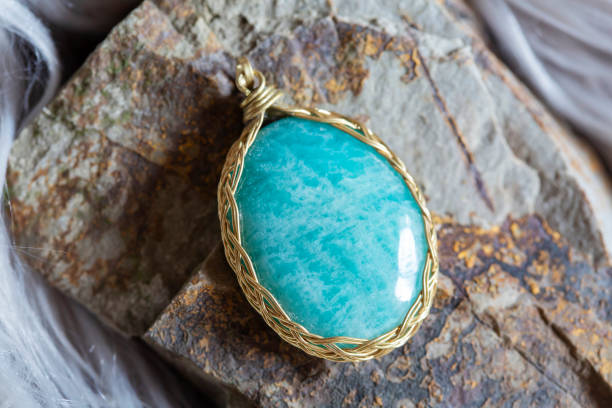
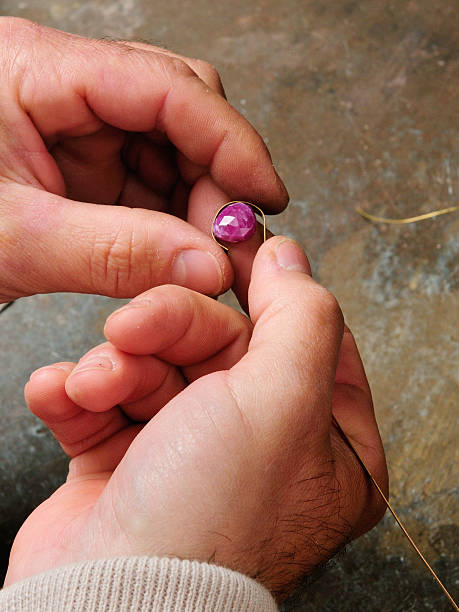
The moment you try to touch a loose cabochon gemstone, its allure is so obvious: the stone has a flat back, a rounded top, and an appearance which is a demand for a frame. The technique of wire wrapping is among jewelry techniques that is instant and gratifying in the same time. You neither need to make a fire, nor have a soldering station or any tools that you would place on the bench. Rather, you can use a nice cabochon stone, a piece of wire, and some patience to create items that are not only looking but also feeling like high-end and professional ones.
Cabochons are therefore the tools of artists. The majority of them are loose gemstone pieces that are specifically cut for the settings so that they can be easily set in wire bezels and allow the features like flashes, chatoyancy, or color zonation to come out. It doesn't matter whether you are a hobbyist or a professional, the right selection of gemstone cabochons for making jewelry always helps, no matter the skill.
Credit: Sourced from iStock
2. Best cabochon stones for wire wrapping (my top picks)
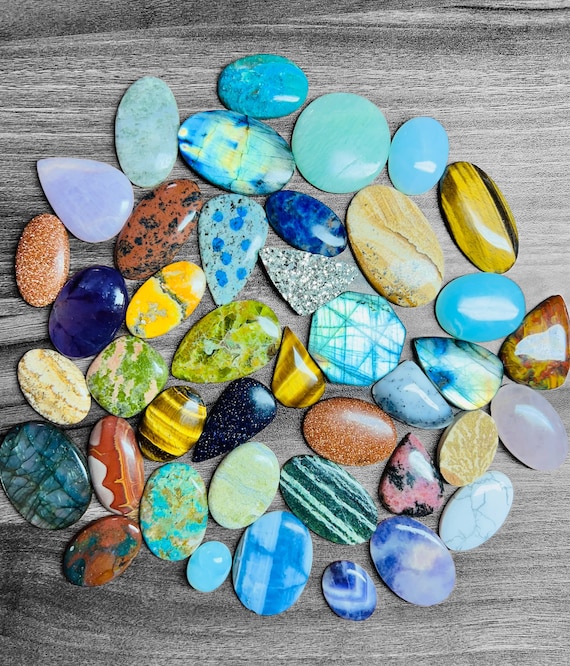
Allow me to spare you the effort of making mistakes—I am presenting you the stones that I use time and again during wire-wrapping and the reasons for my admiration towards them:
- ● Labradorite cabochon—its flash is both dramatic and easily forgiving. It covers up minor marks of tools and compliments both oxidized and bright wires perfectly.
- ● Moonstone cabochon—a very delicate and smooth shimmer; very easy to wear. The opalescence gives a central brightness that wire can encase without claiming the glory.
- ● Turquoise cabochons—timeless, daring, and plus, they are sturdy in the hand. They are very attractive with rustic silver wire.
- ● Oregon Sunstone (rainbow lattice sunstone)—when you crave shimmer and hue. These adopt polishing very well and appear plush in warm tones of wire.
- ● Leland blue varieties—no matter if you talk about Leland blue stone, Leland bluestone, or Leland blues, these are great for peculiar color changing and make remarkable pendants.
The given stones are very much normative in aesthetics expressing, frequently strong enough and having different sizes available—their properties are all very good to have when designing jewelry.
Credit: Sourced from Etsy
3 — Beginner-friendly cabochons and why they work
If you are a beginner, select stones that are a bit forgiving of small errors and can be nice and comfortably placed under wire bezels. An effortless checklist is provided below:
- ● Flat-backed, medium dome (not too high).
- ● Hardness 6.5 or higher when possible (but many softer stones will still be fine with careful handling).
- ● Pendants with dimensions of 20 to 40 mm would definitely be easy to wrap and take pictures of.
Beginner can choose small stones like labradorite, turquoise, jasper, agate, and ordinary moonstone cabochons to work with. The reason behind this is that they are not so pricey, their loose cabochon stones can be easily sourced, and they are very prominent in pictures and at the market.
Credit: Sourced from iStock
4. Specialty stones: moonstone, labradorite, sunstone, and leland blue varieties
The choice of specialty stones is an intimate way to express one's personality reflected in the piece. Here are some short personal notes based on my experience:
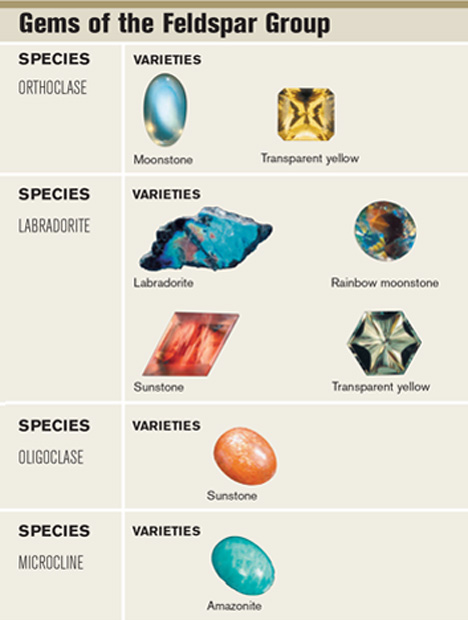
- ● Moonstone cabochon: divine, celestial, and linked to the variations of the June birthstone. It may exhibit a light blue lustre. Dull the adularescence by carelessly deep scratching—handle gently.
- ● Labradorite cabochon: the best labradorite flash occurs when it is mounted with open wirework that allows the light to hit the stone from the side.
- ● Oregon sunstone: surging and cheeky; pick up gems having visible mesh and color flash for dramatic pendants.
- ● Leland blues (a family of blue-toned stones): these bestow a distinctive appearance. They draw attention and can be paired with metals of both the warm and cool spectrum.
Credit: Sourced from GIA
5. How to choose the right size, shape, and backing for wire work
The decisions on size and shape determine the entire design. I have a few quick rules that I follow:
- ● Round/oval: the easiest for symmetric wraps. Ideal for newbies.
- ● Freeform: the piece will look custom-made — you will be more adventurous in wirework that hugs the stone.
- ● Big stones (40–60mm): they are the center of attention, demand structural wire and sometimes even a double bezel.
- ● Tiny stones (6–18mm): apt for clusters, rings, or charming tiny earrings.
Backing: a flat back is the best. In case your cabochon is somewhat rounded with a slight backward curvature, thin bezel or glue-in support for additional hold can be used. Always test-fit your loose cabochon
gemstones before committing to solder or heavy permanent fixes.

Credit: Sourced from iStock
6 . Tools, wire types, and finishing tips for lasting pieces
Basic hand tools utilized in this procedure are round-nose pliers, chain-nose pliers, flush cutters, nylon jaw pliers, a ruler, and a fine file. A bezel pusher or burnisher can be included after that.
- Wire selections are: sterling wire (20-24 ga) for most bezels and structures, 20–26 ga for decorative wraps and weaves.
- The copper is forgiving for practice; silver and gold-filled look professional.
- In the case of fragile stones, do not hard-hammer near the cabochon.
- Finishing: Make your ends neat. Bury or tuck wire tails.
- Oxidizing (patina) to make details stand out, then very lightly polishing the high points is the way to go.
- Use a small amount of jewelry glue only if the stone needs extra support — but rely primarily on mechanical settings.

Credit: Sourced from iStock
7 — Design tips: composition, balance, and showing the stone off
The design process is a way to narrate. Make it simple. The following are some habits that make it easier:
- ● Let the stone rest and take its time. Negative space allows the stone to shine.
- ● Use the wire color as a partner, not a foe.
- ● Warm stones = warm wire; cool flashes = silver.
- ● Weight balance: massive stones require strong and impressive bail and also strong and thick chain.
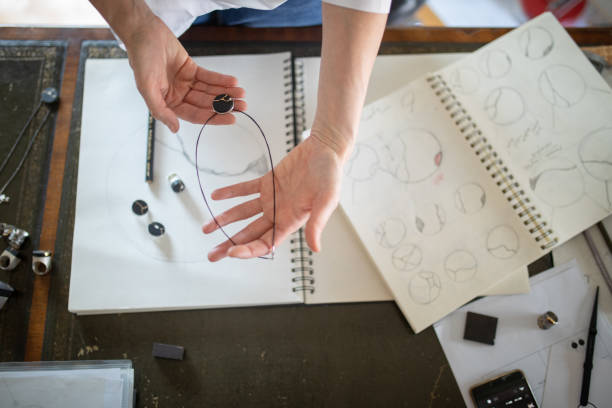
- ● Show the pieces in both flat and on a model- context will assist the customers in picturing that they are wearing it.
Moreover, do not forget about readiness to come back customers: giving the option of birthstone-themed wire-wrapped pieces (e.g., June birthstone moonstone options) is a guaranteed traffic.
Credit: Sourced from iStock
8. Where to buy cabochons (retail, wholesale, and trusted suppliers)
For various reasons, the quantity or the quality does not matter, there are still plenty of options to choose from:
- The local gem shows and events offer the best chance to find the most extraordinary gems and unique items.
- If you want to buy large amounts of a specific item, then the online wholesale suppliers are your best option as they offer wholesale prices. Try searching “wholesale cabochons” or “gemstones supplier in Jaipur” for very competitive prices.
- Specialty shops, like those that sell only moonstone cabochons or sunstones from Oregon, tend to specialize in top quality, curated stones.
- From my experience, Cabochons4sale has a nice selection and offers a combination of retail and smaller wholesale lots. They have stones that you can purchase in bulk or as individual items.
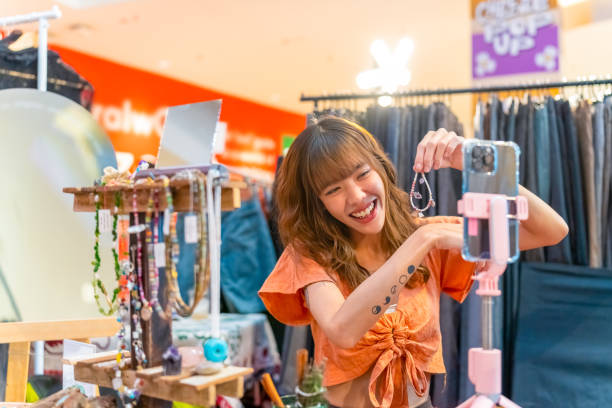
- When ordering, always make sure to request the exact photos of the stones you are interested in rather than just sample images, and also verify that you have received the appropriate grading and size tolerances for finished jewelry.
Credit: Sourced from iStock
9. Care, storage, and selling your finished wire-wrapped cabochons
Care:
- Stones that are soft should be stored in individual containers made of either felt or plastic.
- Gems that are easily breakable such as pearls or some opals should not be exposed to harsh chemicals and ultrasonic cleaners.
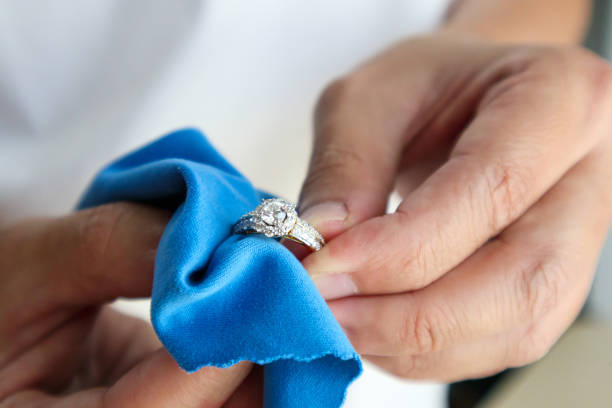
- Metals need to be cleaned with a soft cloth and non-abrasive polishing methods are to be avoided on patinaed metals.
Storage:
- Store flat for big pendants.
- Use compartment boxes for small cabochons to prevent scratching.
Selling:
- Provide clear photos, list the stone name, size, and wire type.
- Note if a stone is a simulant or treated. Transparency builds reputation
- Consider custom options: many buyers want their birthstone set into a personalized wire-wrapped pendant.
Credit: Sourced from iStock
10. Wrap-up — Start small, learn fast, make pretty things
To get started with wire wrapping, you can use one fairly simple method:
Pick 3 loose Cabochons made of different minerals (labradorite, moonstone and turquoise), and get 1 spool of 20 - 22 gauge wire.
Creating 3 Pendants this way will provide an opportunity to learn about the tension, the way stones stand averagely and to discover the styles you like to do with your hands.
With wire wrapping, you will have the ability to express yourself as well as be able to make pendant jewelry at an economical price. The right cabochon stones with the right wire give you the ability to create beautiful wire wrapping stories. Every movement and folding of the wire will allow you to effortlessly bring out the colors, glimmers, and recollections of the gemstones.
I’m more than happy to make a custom list if you want suppliers’ suggestions or if you have a certain budget and style preference. Just reach out!
— Regards,
Cabochons4sale: Happy Wrapping; may great stones be in your hands always.

No related products found


